


Smart lighting control is part of the plan to streamline energy use and facilitate smart city technology in Svalbard.

Longyearbyen Community Council has set ambitious goals to reduce its emissions and contribute to several of the UN's Sustainable Development Goals.Longyearbyen will make an energy transition and is working to become a SmartArctic City.
The goal is a more human- and environmentally friendly city through investment in and facilitation of innovation and smart and energy-efficient solutions. Since Svalbard has long, dark winters and short summers, efficient and demand-driven lighting is crucial for the inhabitants of the archipelago.
The existing lighting systems on the island were energy-intensive, but also expensive to maintain. Longyearbyen Community Council wanted an overall modern control of the road lights in order to gain more efficient control of use.
Smart lighting control is part of the plan to streamline energy use and facilitate smart city technology in Svalbard. IoT-based lighting systems, such as smart street lighting systems, can adapt to the lighting demand based on the surroundings. This means that lighting can be adjusted as needed, reduce unnecessary energy consumption, extend the life of light sources and streamline operations. Today, Longyearbyen constitutes Datek's northern most lighting control system.
"A dream is to be able to introduce a separate dimming regime for spectacular Northern Lights experiences when all luminaires have been given smart control. - Lillian Risvaag

- Existing infrastructure in Longyearbyen consisted of several lighting points distributed around the city with varying luminaire types connected with both conventional and LED-based light sources.
-A total of 24 zones of road light distributions were upgraded with Datek IoT Gateway for control and monitoring via 4G/5G mobile communication.
- In Longyearbyen, the main rule is based on a LUX meter that triggers both in the evening and off in the morning and takes into account varying cloud cover and light conditions locally.
- This is how you achieve amore sensible use of street lighting, with the right light in the right place and at the right time.
- At Longyearbyen school and the alpine resort, smart luminaires have been established, where each light source can be controlled individual
- From having 24 separate control points, Longyearbyen now has only one control point. This facilitates maintenance and makes the lighting control synchronous.
he next phase of the project will be to put in place dimming in connection with the transition to LED 2.0. This will significantly reduce energy consumption, both because dimming reduces energy consumption and because new LED luminaires themselves are more energy efficient. All data is stored and can easily be retrieved for an overview of accurate energy consumption, planned maintenance and troubleshooting. Modern Zhaga is used today, among other things, motion detectors and radars for activity measurement and traffic monitoring.
In Longyearbyen, all infrastructure is located on top of the ground, much protected by heating cables, which you will be able to gain better control of via Datek's control solution.
"I think it's fun to see how we can use the system in a creative way to solve the challenges that exist in special places like here in Svalbard. - Dag Arne Husdal
Light pollution is unwanted or excess artificial light. Light pollution has unfortunate consequences for humans, insects and animals.
- Surrounded by such large areas of untouched nature, light pollution becomes extra evident in a city likeLongyearbyen. If you travel out into the valley just outside the city, you quickly see that it is not at all as dark as you get the impression when you stand in the middle of the city, says Lillian Risvaag
Both Lillian and Dag Arne are concerned with optimising the use of resources for light. There is a very special safety aspect in Svalbard and the inhabitants are dependent on artificial light during the polar night.
- To preserve the darkness, we try to turn off the lights where we can, but without compromising safety. It has happened that we have been visited by polar bears in the city, says Lillian.
Traffic safety is also a weighty consideration, especially considering that the GS network is not fully developed here in Svalbard. With a comprehensive control solution withLUX meters in Longyearbyen, it is ensured that the lights are only switched on when needed and turned off completely when not needed.
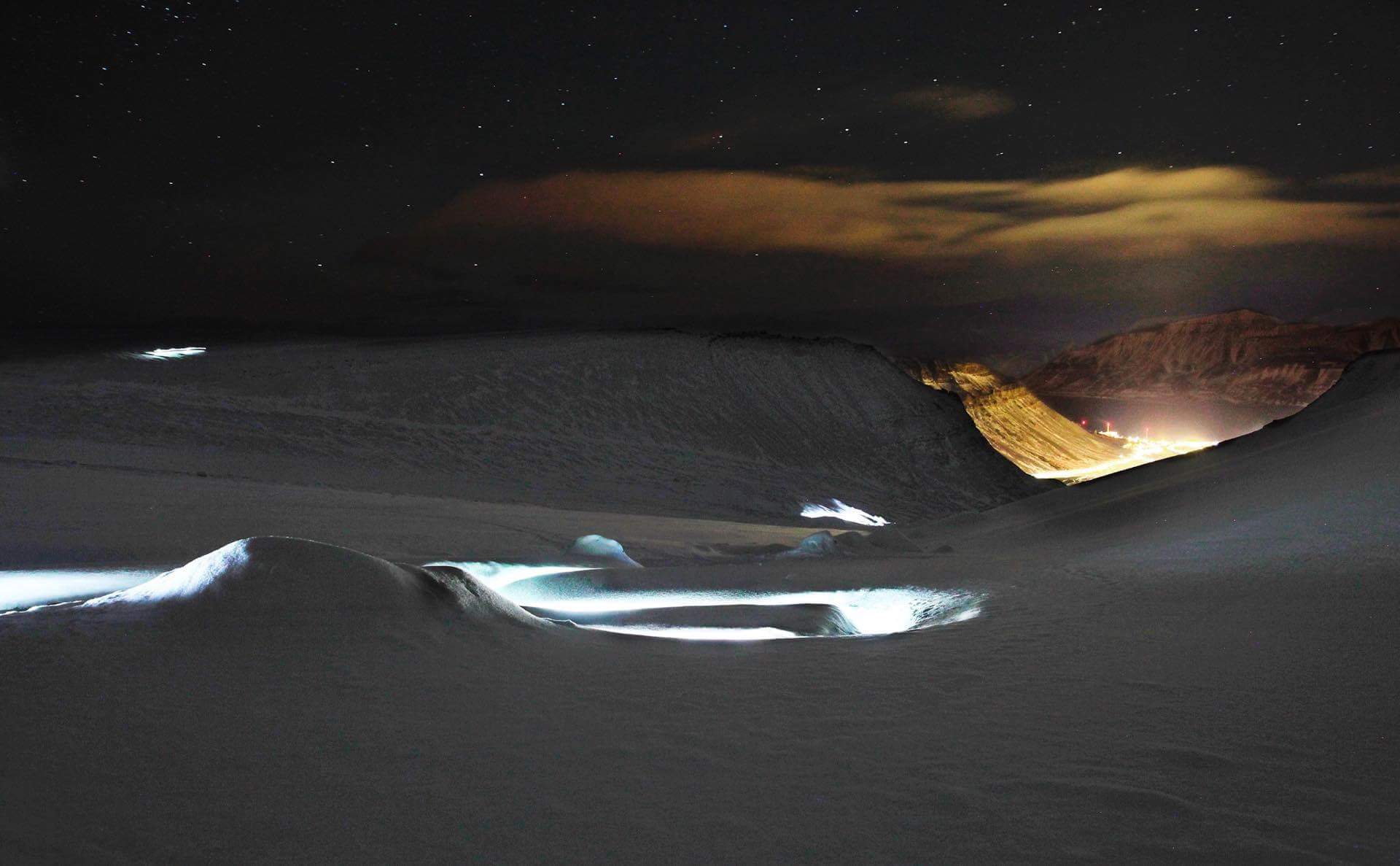
The alpine slope is, perhaps not surprisingly, the world's northernmost (78° latitudes). Here, there is naturally a need for extra light and safety. Datek has supplied lighting control for 38 lamps in the ski resort. The system makes it possible to section the light in the slope according to use. For example, when children only need to use parts of the slope or to only illuminate where they produce snow. In addition, the alpine slope is turned off completely at night.
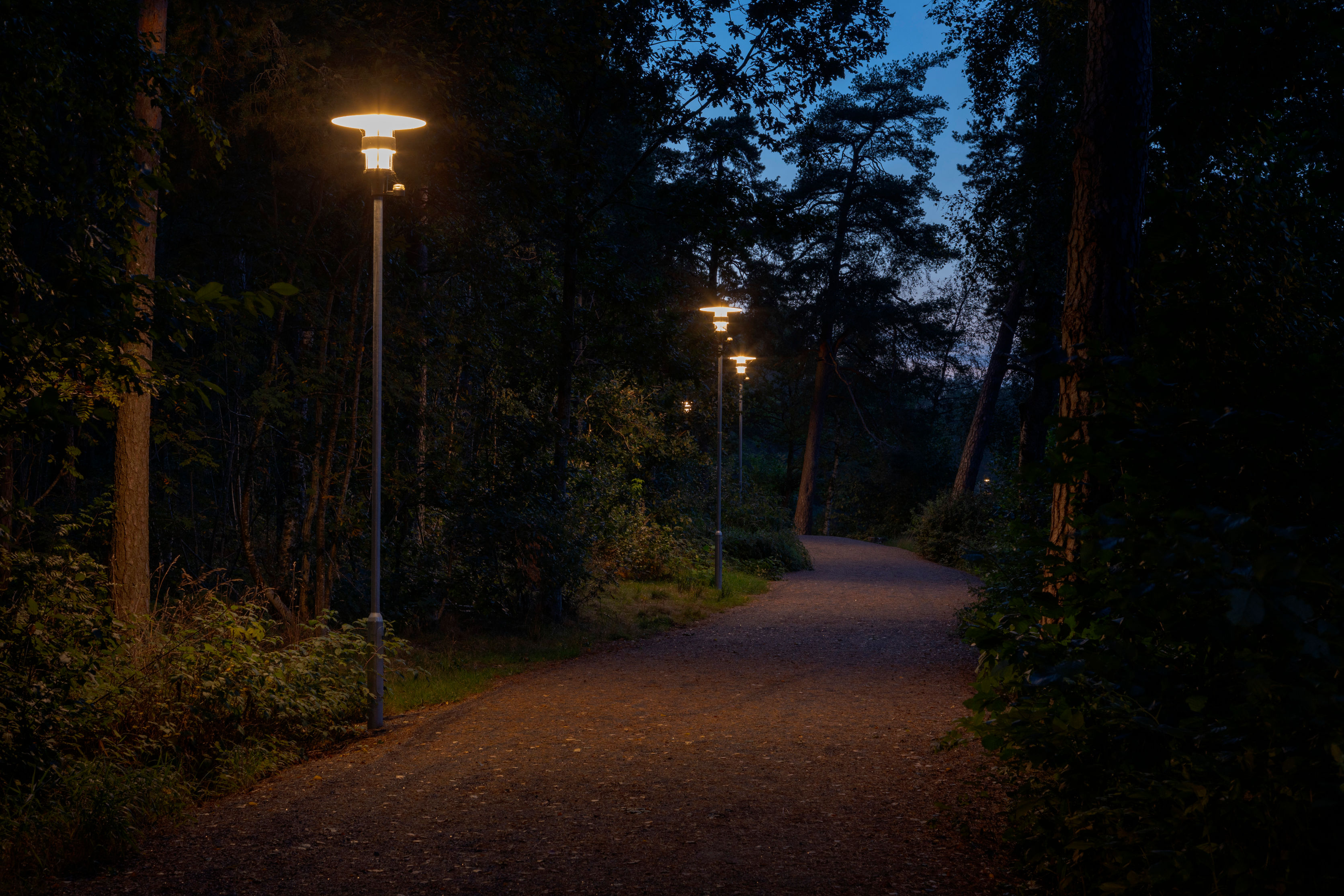
In the project, Areaflood Pro from Thorn Lightning was used. These lamps follow the Dark-Sky principle to preserve the natural atmosphere at night and reduce light pollution. They are also energy-efficient and have a long lifespan and optional surge protectors for increased flexibility. Area flood Pro ensures reliable lighting and a maintenance-free solution.




.jpg)


